
Becoming Bird
[Scroll down for English]
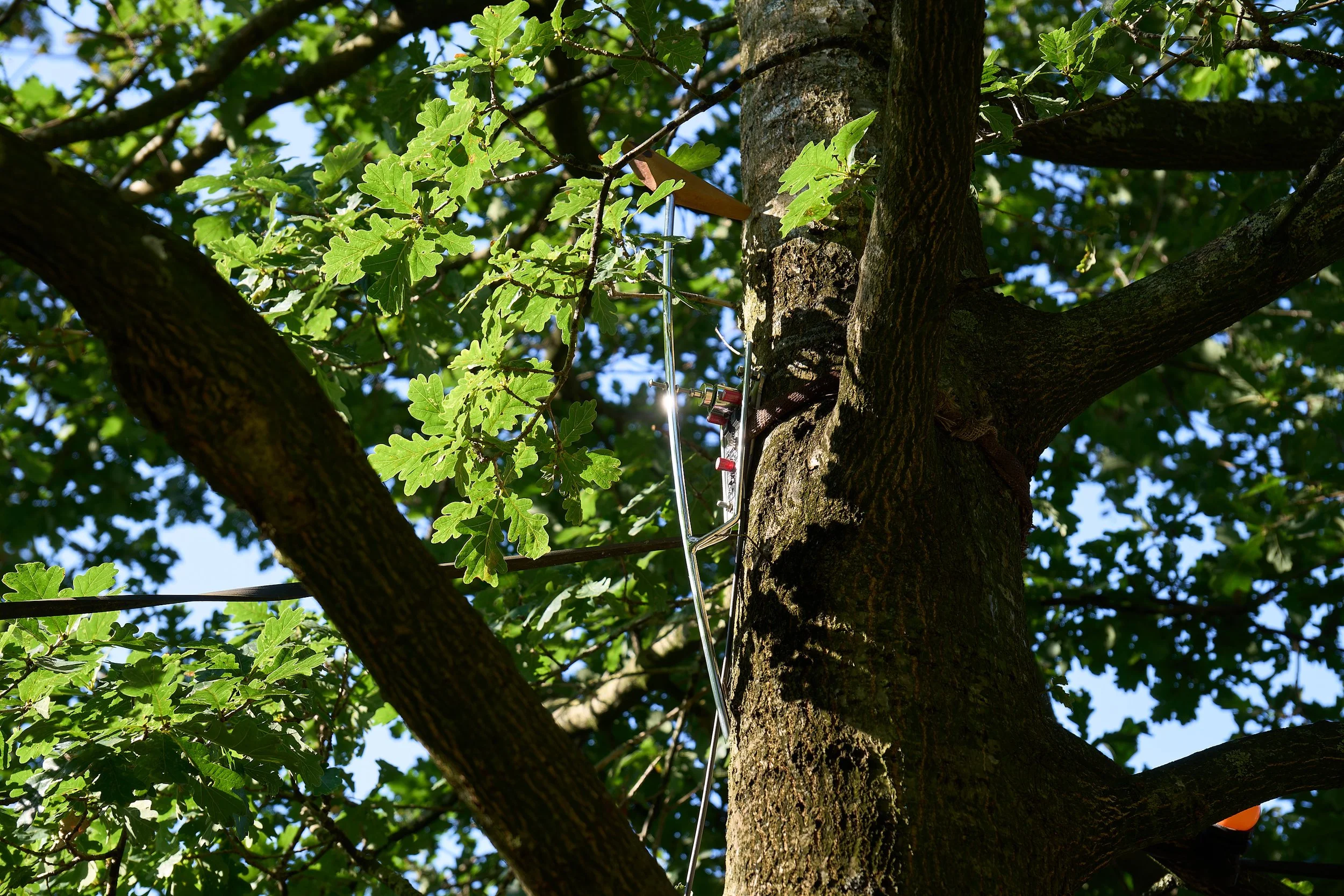
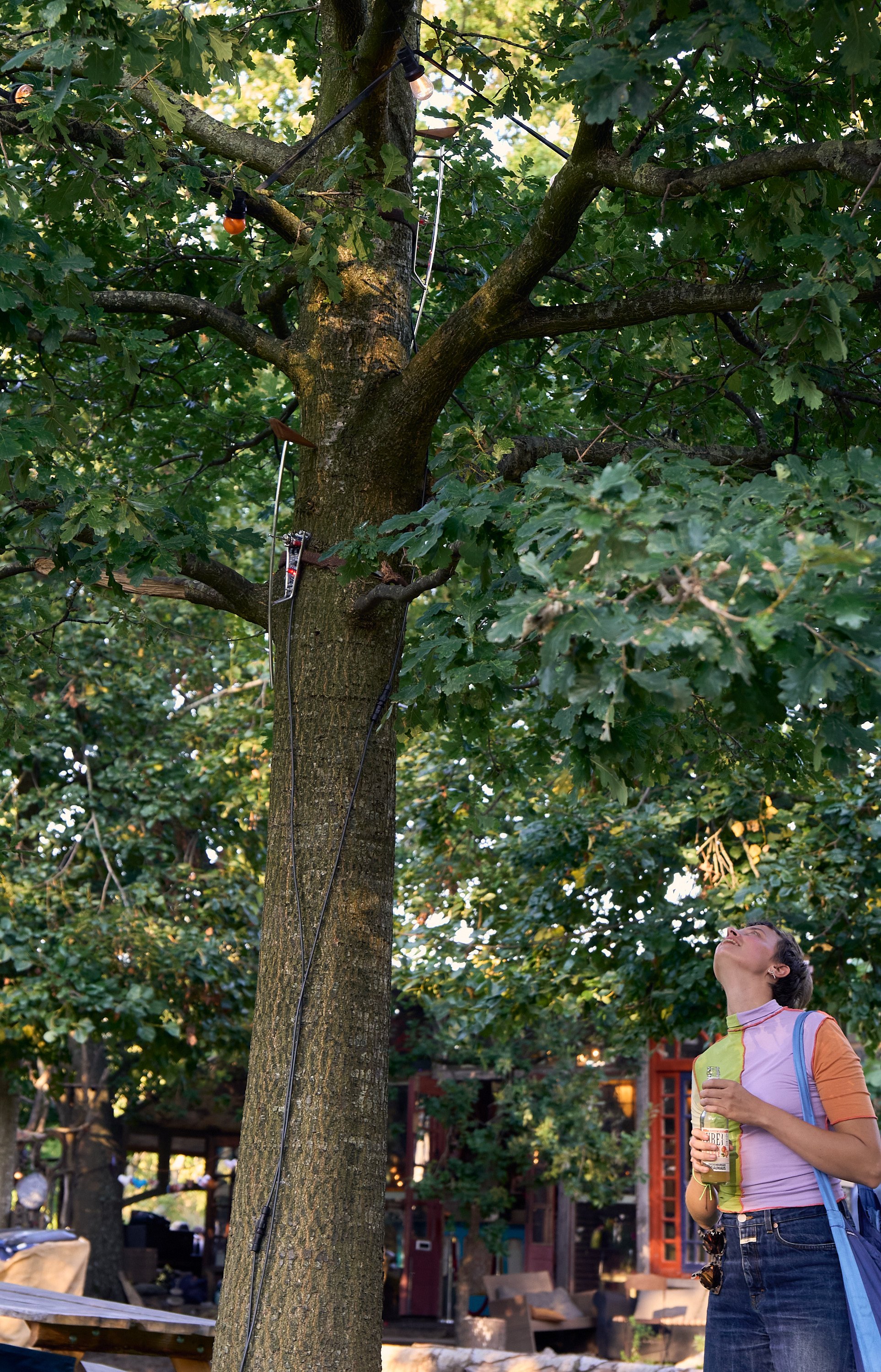
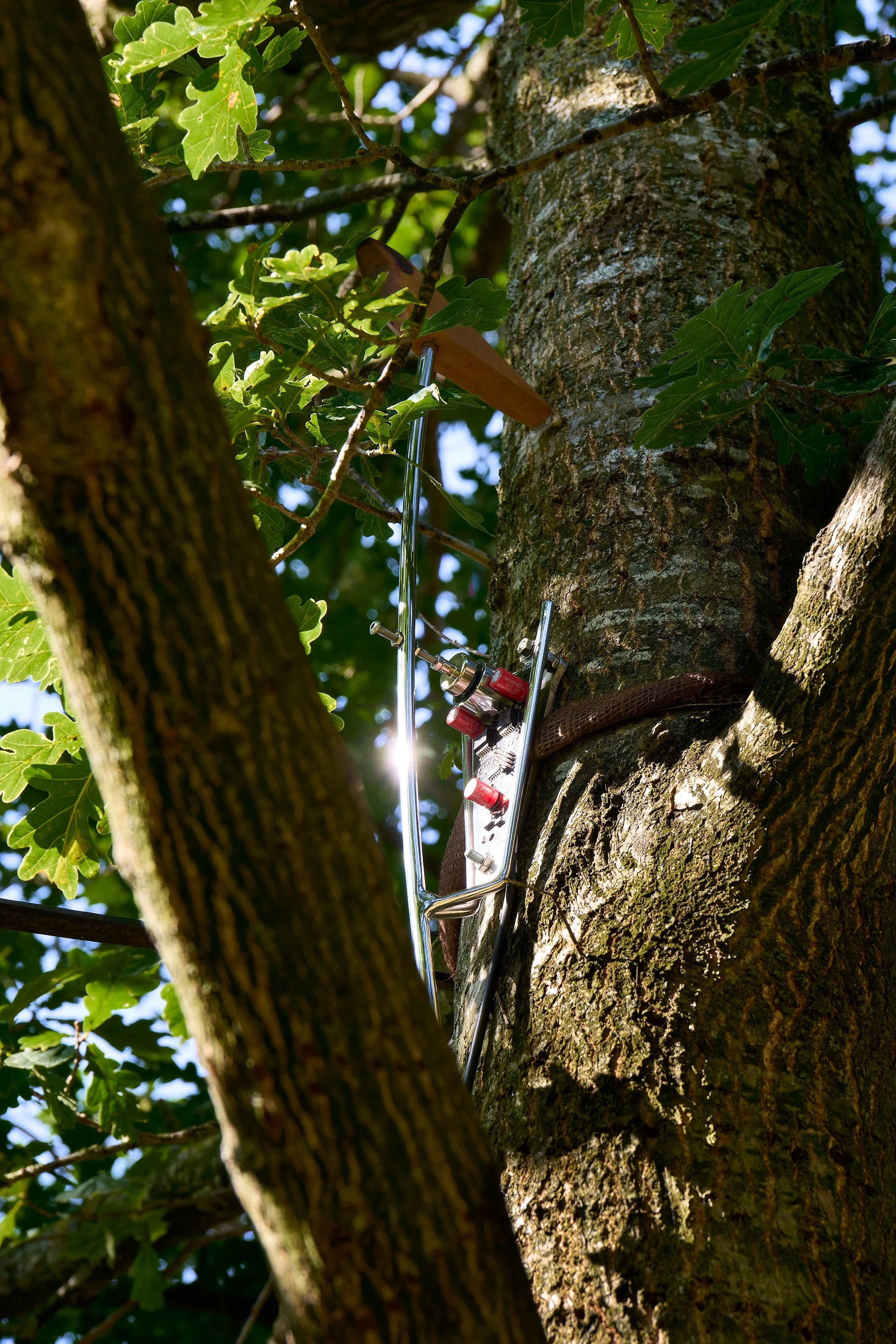
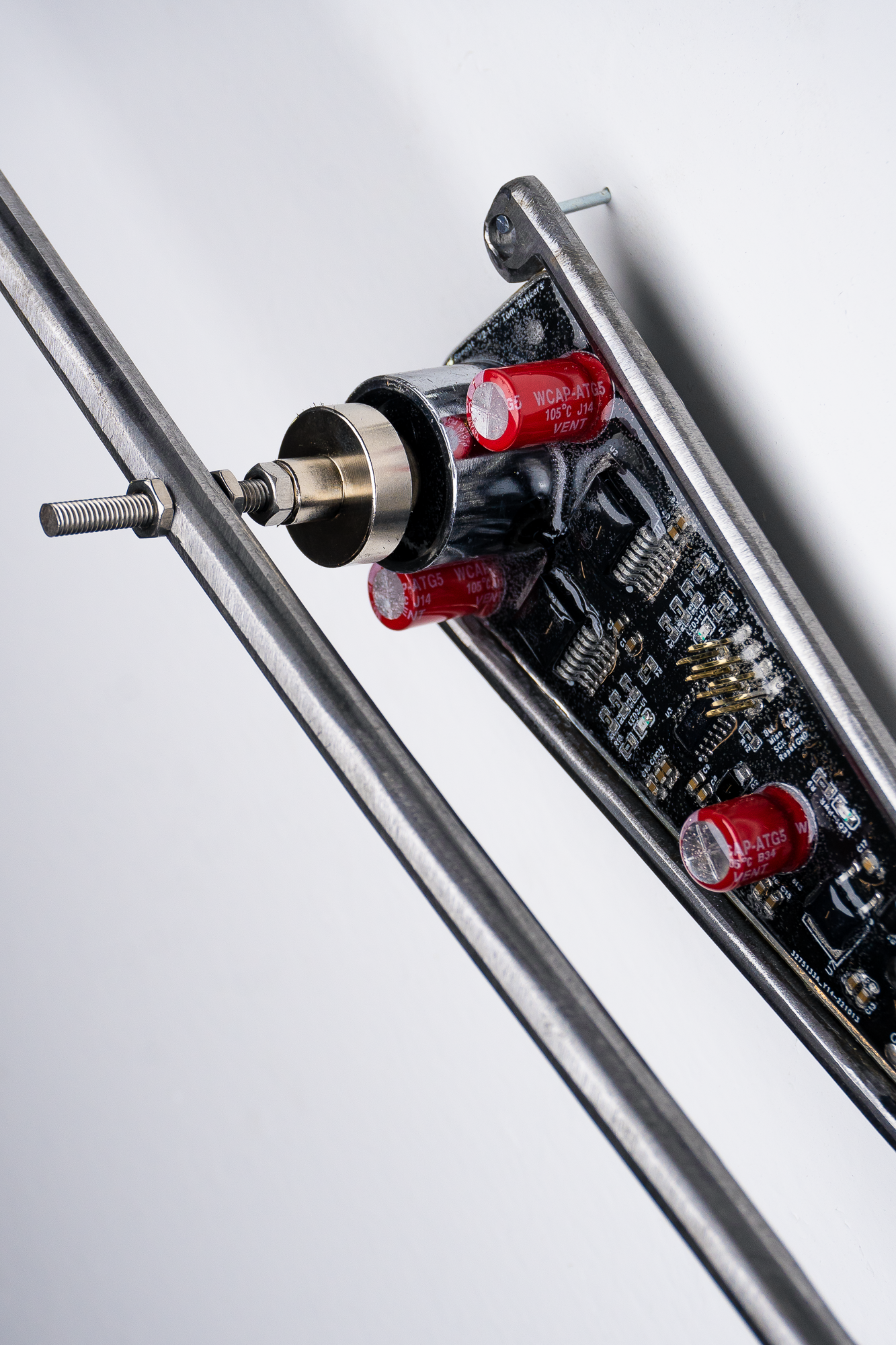
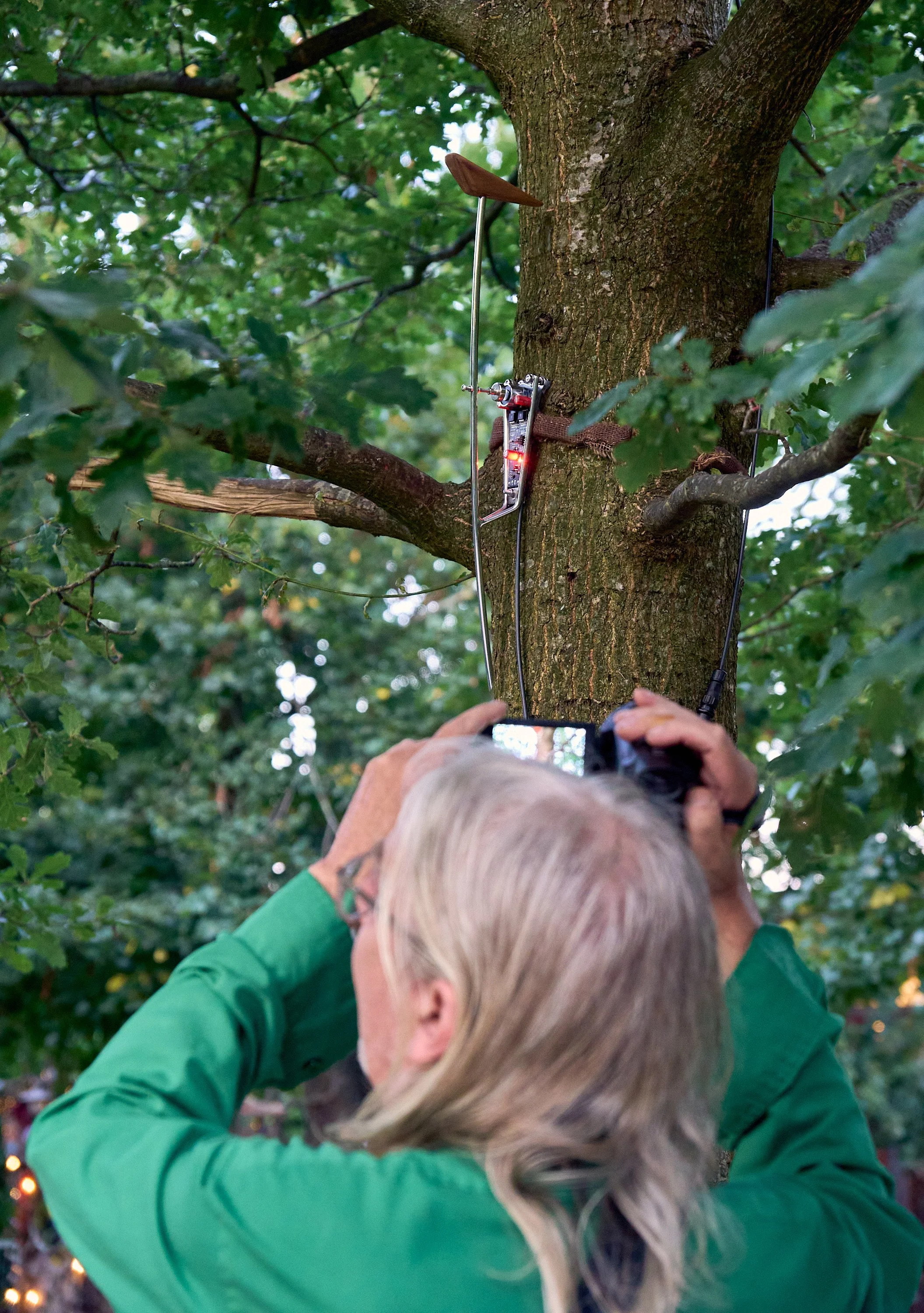
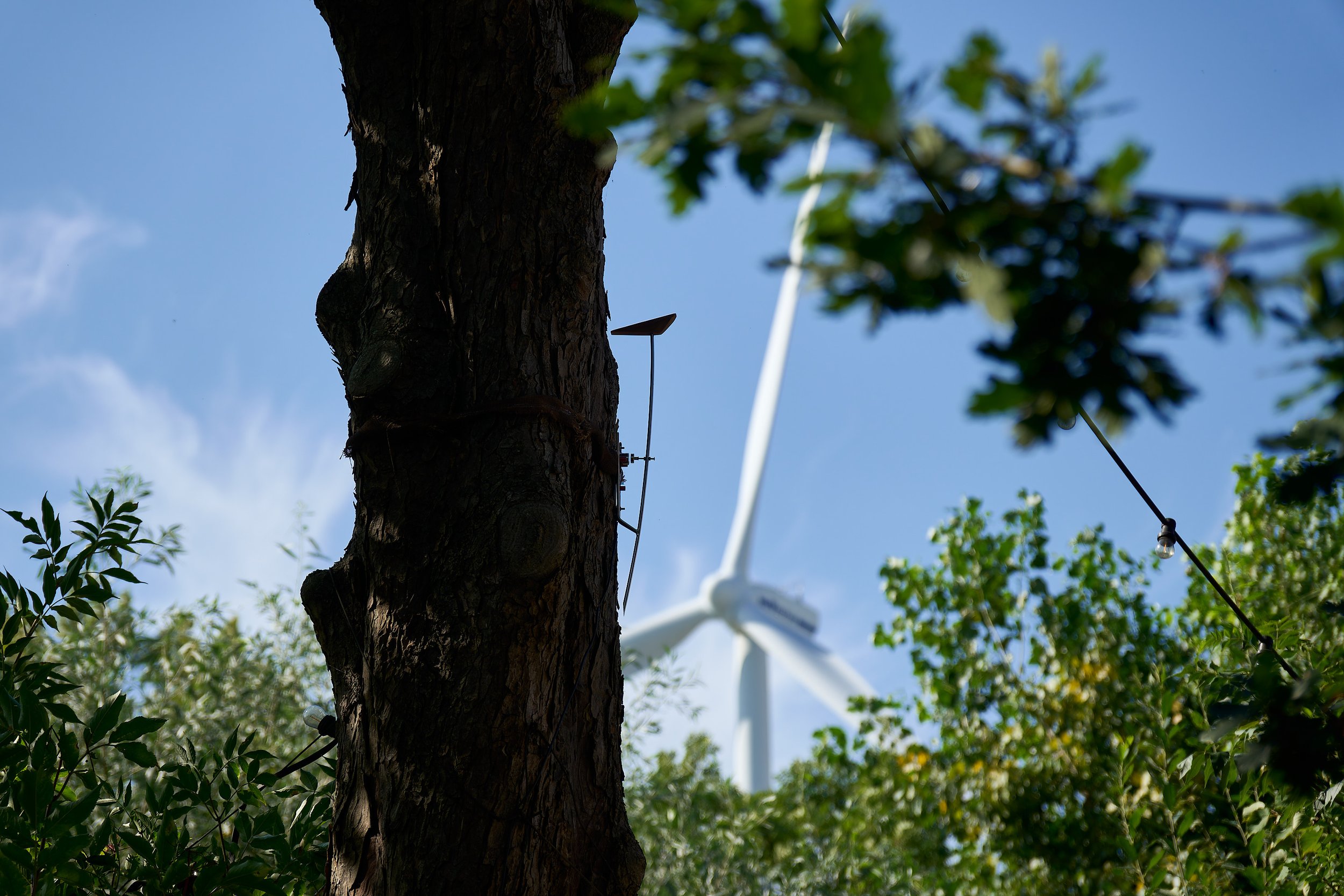
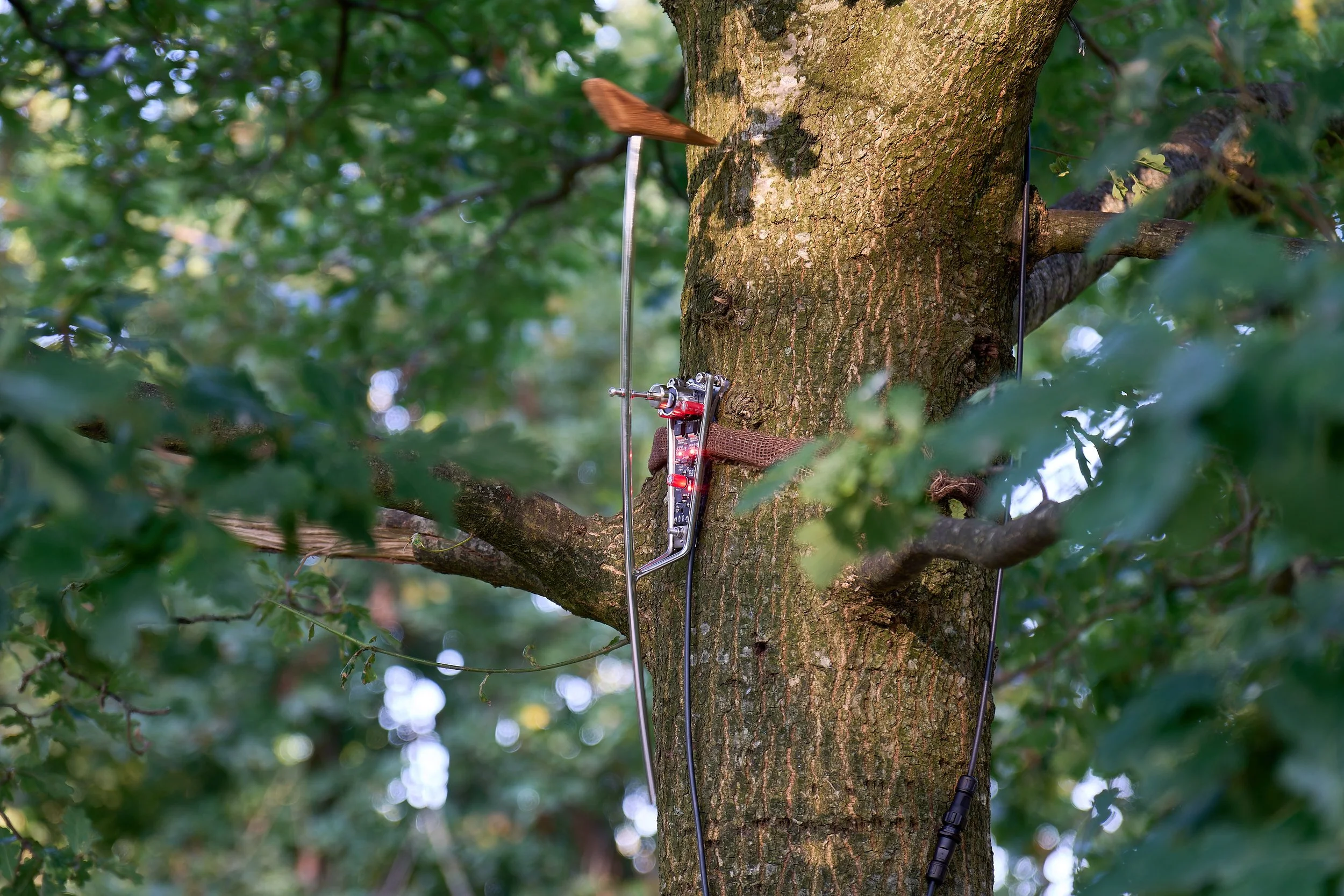
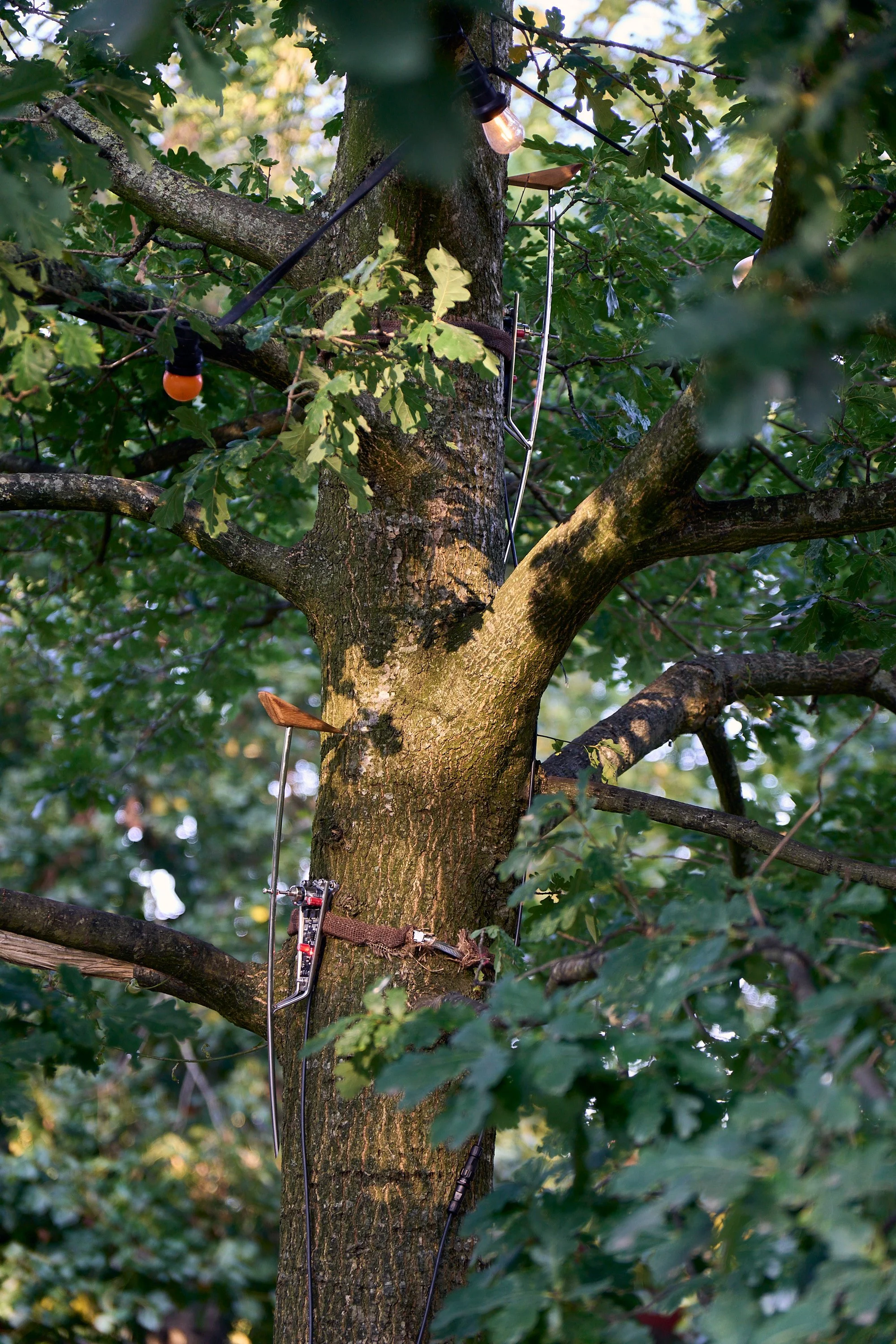
Becoming bird bestaat uit 4 sculpturen verstopt in de tuin van De Bewearschole. Zij imiteren het geluid van spechten door dit geluid op dezelfde manier te laten ontstaan: door met hun kop op de boom te hameren. De sculpturen bepalen zelf wanneer ze roffelen en reageren op elkaar zonder dat wij daar controle over hebben.
De specht is geen zeldzame vogel. Met name op de Kop van Schouwen komt hij veel voor. De meeste mensen zullen hem herkennen en er een persoonlijke herinnering aan hebben. Al deze herinneringen vormen samen een beeld van wat een specht is.
Op Schouwen-Duivenland speelt de natuur een belangrijke rol in het bestaan van veel mensen. Het bos, de duinen, de zee: we merkten veel liefde voor het landschap onder de bewoners. Menselijk is het dan ook om de plek graag te willen houden zoals hij is. Technische ingrepen in het landschap maken dit mogelijk. Door het water te bedwingen met de bouw van dijken, kunnen wij blijven leven op het eiland én blijft de natuur bewaard. Deze technische ingrepen vinden hun oorsprong vaak in het kopiëren van een natuurfenomeen. Voorbeelden van deze biomimicry zijn overal om ons heen. Zo kopiëren we ook vogels, die eigenschappen hebben waar de mens als eeuwen jaloers op is. Een kanarie kan de aanwezigheid van koolmonoxide bij de haard eerder aanvoelen dan wij. Zwaluwen hielpen het weer te voorspellen. Daarnaast willen ook graag grenzeloos kunnen reizen en vliegen. Eigenschappen die we inmiddels met succes hebben kunnen kopiëren.
Met al onze technische uitvindingen en ingrepen hebben we steeds meer invloed op de natuurlijke omgeving. Maar is er door deze invloed eigenlijk nog wel sprake van natuur? De duinen, het bos, de bomen en de spechten zijn hier op Schouwen voor een belangrijk deel door menselijk toedoen. Zijn de 'echte' spechten hierdoor misschien ook deels technisch van aard?
Laten we onze omgeving steeds meer lijken op deze technische specht? Of worden we misschien juist zelf steeds meer vogel?




Becoming Bird
Becoming Bird consists of 4 sculptures hidden in the garden of De Bewaerschole. They imitate the sound of woodpeckers by creating this sound in the same way: by hammering their heads on the tree. The sculptures decide for themselves when to drum and respond to each other without us having any control over them.
The woodpecker is not a rare bird. It's particularly common on the head of Schouwen. Most people will recognize it and have a personal memory of it. All these memories together form an image of what a woodpecker is.
On Schouwen-Duivenland, nature plays an important role in the existence of many people. The forest, the dunes, the sea: we noticed a great love for the landscape among residents. It's human, then, to want to keep the place as it is. Technical interventions in the landscape make this possible. By controlling the water with the construction of dikes, we can continue to live on the island and nature is preserved. These technical interventions often originate from copying a natural phenomenon. Examples of this biomimicry are all around us. We also copy birds, which possess qualities that humanity has envied for centuries. A canary can sense the presence of carbon monoxide by the hearth earlier than we can. Swallows helped predict the weather. We also want to travel and fly without borders. Qualities we have since successfully copied.
With all our technical inventions and interventions, we increasingly influence the natural environment. But because of this influence, is there actually still nature? The dunes, the forest, the trees, and the woodpeckers here on Schouwen are largely the result of human intervention. Are the 'real' woodpeckers therefore perhaps also partly technical in nature?
Are we making our environment increasingly resemble this technical woodpecker? Or are we perhaps becoming more bird ourselves?